
Accessibility
Text size
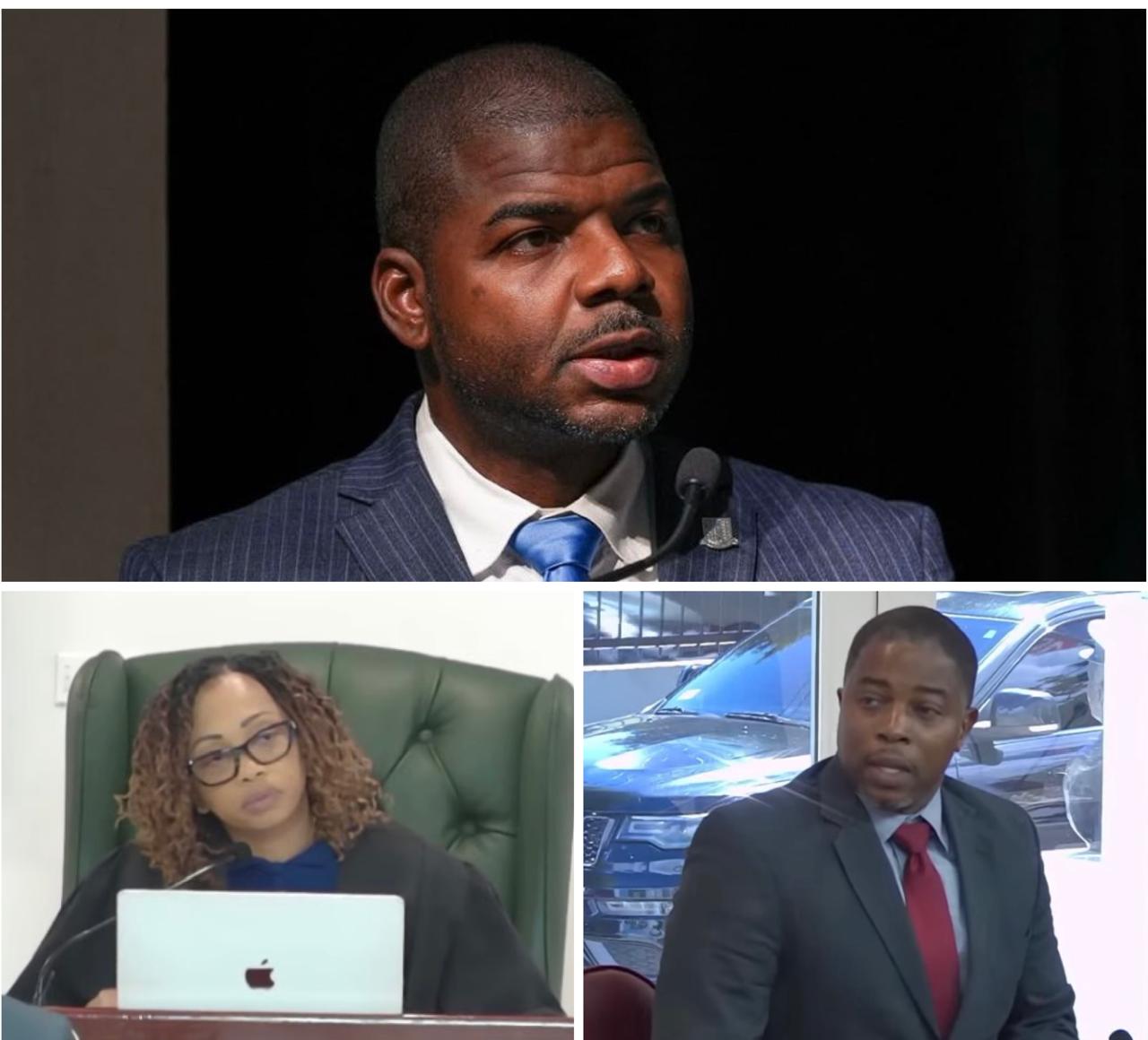
A seemingly angry outburst by Premier and Minister of Finance Dr. Natalio Wheatley towards Opposition members in a private meeting spilled onto the floor of the House of Assembly’s sitting as Second District Representative Hon. Melvin ‘Mitch’ Turnbull publicly challenged his use of “frigging bullcrap” and “frigging stupidness”.
Raising a point of privilege during the sitting today, October 20, Turnbull said the October 15 remarks targeted three Opposition members, including himself, in the presence of Speaker Corine George-Massicote and other members. He said the Premier initially declined an opportunity to apologise privately to those affected, offering instead to apologise only to the Speaker.
What followed was another contentious exchange, with the Premier accusing Turnbull of wasting parliamentary time by raising the matter, while the Speaker repeatedly intervened and ultimately told the territory’s leader that she believes an apology was needed.
“I will apologise to you and all the members of the House for the language that I used, but I will not apologise for being upset for what I purported that the members were doing, which in my view was un-statesman like,” the Premier eventually said.
Raising the matter on a point of privilege, Turnbull argued that the issue went beyond political disagreement and concerned the dignity owed to elected representatives carrying out their duties.
“Though these remarks were made during an informal sitting, I believe they raise an urgent and legitimate concern about the respect and dignity to which elected members are entitled in the performance of their parliamentary duties,” he said.
While “frigging” is generally regarded as a mild substitute for a stronger swear word, Turnbull’s complaint concerned the full remarks and their use towards fellow elected members within the parliamentary precinct.
He said an apology solely to the Speaker would fail to address those directly affected.
“An apology to the Speaker may acknowledge the authority of your office, but it does not directly address the language used towards the members concerned,” Turnbull stated.
He also called for consistent standards, recalling that the Minister for Education had previously requested a formal written apology after he told her to “go sit down”.
“The same principles of respect and accountability apply fairly to every member, regardless of the office or political affiliation,” he said.
Turnbull cited the standards of conduct recognised in the Parliamentary Commission for Standards Act, 2024, while acknowledging limits on the Commission’s jurisdiction. He asked the Speaker to determine whether further parliamentary consideration or an apology was warranted.
The Premier challenged the basis for intervention under the Standing Orders, arguing that the incident occurred during an informal meeting rather than a formal parliamentary sitting or committee meeting.
He maintained that the Speaker had already dealt with the heated exchange by asking members to withdraw before the informal meeting resumed once tempers had cooled.
“I am alarmed that the Member, after reflection, has come to waste the House’s time with this matter and further delay the passage of three critical financial services bills,” he said.
Explaining his anger, the Premier alleged that Opposition members had sought to link progress on the legislation to their ability to ask questions.
“I have never in my life witnessed an Opposition seeking to bargain with financial services legislation for the ability to ask questions,” he said.
He maintained that questions about how long parliamentary questions had gone unanswered arose during the meeting, insisting that this context was necessary to explain his reaction.
“Without a shadow of a doubt, I was incensed by the behaviour of the Opposition members,” he said.
As the exchanges continued, George-Massicote repeatedly intervened, cautioning members against revealing further details of the closed-door discussions. She also required the Premier to withdraw certain words used towards the Opposition during today’s sitting.
“I take it that members have used the opportunity to get more and more information out with what happened behind closed doors, and I am really not happy about that,” she said.
Addressing the original incident, the Speaker explained that the disciplinary provisions of the Standing Orders did not apply in the same manner because the exchange occurred outside a formal sitting or committee meeting.
However, she made clear that members remained responsible for their conduct within the parliamentary precinct, including during recess.
“Members are expected to conduct themselves with dignity and mutual respect, particularly within the precinct of this institution,” she said.
Although she cautioned that not every offensive remark or personal disagreement warranted the House’s intervention, her position on the Premier’s language was clear.
“While I can’t officially sanction the behaviour, Premier, my view is that an apology is needed,” George-Massicote said.
The Premier continued to question what provision of the Standing Orders required him to apologise before agreeing to do so, extending the apology to the Speaker and all members of the House of Assembly while maintaining his criticism of the Opposition’s alleged conduct.
“However, I agree with you that I was upset and I will apologise to you and all the members of the House for the language that I used but I will not apology for being upset for what I purported that the members were doing which in my view was un-statesman like,” he finally stated.
© 2026 BVI Platinum News. This article is original BVI Platinum content. Reproduction or republication without written permission is prohibited.

Community
Comments
What are your thoughts on this story? Share a respectful comment with the community.
Join the conversation
Your comment will appear after review. Email is only needed if you want reply or conversation notifications.