
More than 4,000 people in the BVI are estimated to be living with diabetes, many of them undiagnosed, prompting renewed calls for residents to undergo regular health screenings and adopt healthier lifestyles.
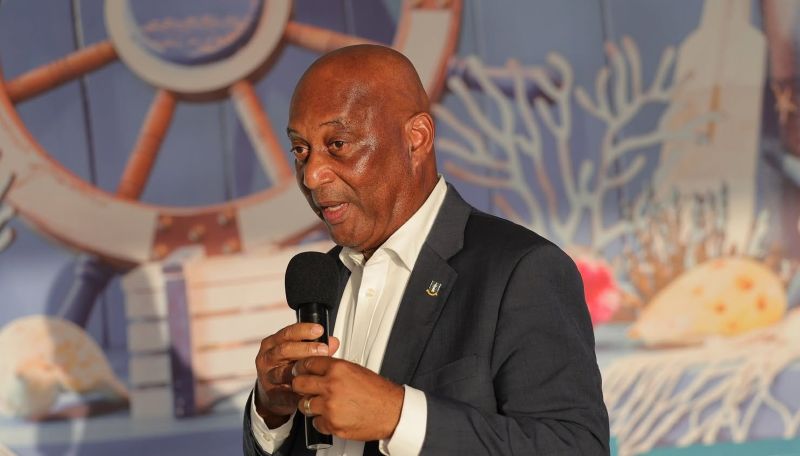
Minister for Health and Social Development Vincent Wheatley, in a statement marking Diabetes Awareness Month, warned that the burden of diabetes and other non-communicable diseases continues to grow despite years of public education.
Across the Americas, more than 112 million adults are living with diabetes, with up to 40 percent unaware they have the condition.
“This tells us something important: awareness alone is not enough. We must begin putting what we know into practice,” Wheatley stated.
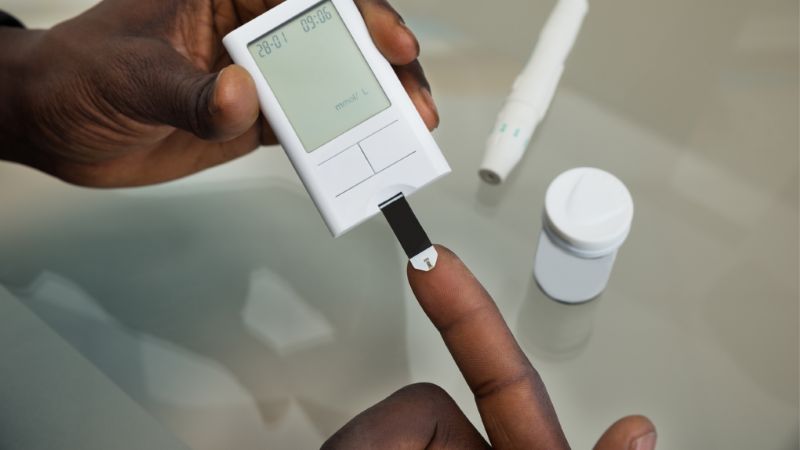
Under this year's theme, “Early Action on Diabetes”, the Minister encouraged residents to monitor their blood sugar, blood pressure and cholesterol, exercise regularly and practise moderation when consuming carbohydrate-rich foods.
He also urged residents to seek medical attention for warning signs such as frequent urination, excessive thirst, unexplained weight loss, unusual tiredness and blurred vision.
The Ministry has been promoting healthier eating through its Virgin Islands Eat Well Guide and physical activity through the BVI Moves programme.
Meanwhile, the BVI Health Services Authority's Red Loud Campaign continues to encourage screening for diabetes, hypertension and kidney disease.
Wheatley said efforts are also underway to maintain supplies of essential medication, including insulin, while the Ministry works with the Pan American Health Organization to introduce standardised diabetes management across public and private healthcare facilities in 2027.
Activities Planned For November
Several activities have been organised for Diabetes Awareness Month, including the BVI Wellness Fest which was held on November 7, the Elton Georges Annual Run/Walk set for November 14, a Health Symposium on November 20 and 21, and the Paint the Town Blue initiative on November 27.
Wheatley also commended the BVI Diabetes Association for its ongoing health screenings, educational outreach and support for persons living with diabetes.
“Remember, early action can prevent or delay type 2 diabetes, early detection can reduce the risk of complications, and timely treatment can save lives,” he stated.




Community
Comments
What are your thoughts on this story? Share a respectful comment with the community.
Join the conversation
Your comment will appear after review. Email is only needed if you want reply or conversation notifications.