

Director of Disaster Management Jasen Penn is urging residents to conserve water as forecasters warn that El Niño could intensify hot and dry conditions across the Caribbean and continue into 2027.
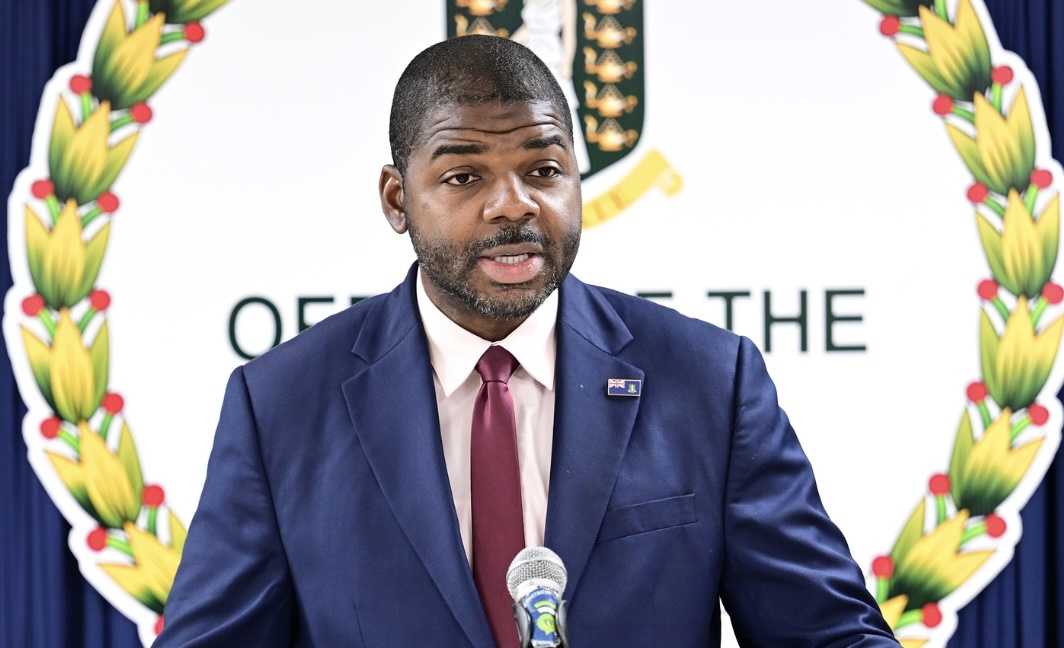
“Slow onset hazards like drought sometimes take a backseat in the face of hurricane season and other pressing matters. The advice from our regional forecasters is a reminder that we must continue to treat water as a precious resource, and take extra precautions where fire is concerned,” Penn said.
According to the Department of Disaster Management (DDM), hot and dry conditions are typical effects of El Niño, and the current cycle is expected to be strong, with the potential for record-high temperatures in the Caribbean into next spring.
Penn warned that excessive heat and dry conditions could leave the Virgin Islands at greater risk of drought and wildfires.
The call for water conservation comes as the Territory is already facing significant water supply challenges, with many residents experiencing days without access to the public water supply. Government has also acknowledged that severe drought conditions have increased demand for water.
The DDM cited Caribbean Institute of Meteorology and Hydrology (CIMH) climatologist Dr. Cedric Van Meerbeeck, who said El Niño has historically been linked to severe droughts, including those experienced in 2009-2010 and 2014-2016.
He also warned of increased risks of extreme humid heat, wildfires and marine heatwaves that can trigger coral bleaching. Regional climate experts are warning that the current dry conditions could extend into 2027.
Van Meerbeeck said hot and dry conditions are expected to continue in the Eastern Caribbean until at least October and could translate into drought conditions across most of the Windward, Leeward and ABC Islands, portions of the Greater Antilles, including parts of Jamaica and Hispaniola, as well as portions of The Bahamas by October or November 2026.
Penn also reminded residents that despite the Atlantic Hurricane Season being relatively quiet so far, the Territory is entering the historically busiest period and residents should remain storm-ready.
“The unfortunate reality is that risks like excessive heat and storms can occur together, so as a Territory we must work together to be as prepared as possible,” Penn said.
Residents can access preparedness resources through the DDM website.
“Slow onset hazards like drought sometimes take a backseat in the face of hurricane season and other pressing matters. The advice from our regional forecasters is a reminder that we must continue to treat water as a precious resource, and take extra precautions where fire is concerned,” Penn said.
According to the Department of Disaster Management (DDM), hot and dry conditions are typical effects of El Niño, and the current cycle is expected to be strong, with the potential for record-high temperatures in the Caribbean into next spring.
Penn warned that excessive heat and dry conditions could leave the Virgin Islands at greater risk of drought and wildfires.
The call for water conservation comes as the Territory is already facing significant water supply challenges, with many residents experiencing days without access to the public water supply. Government has also acknowledged that severe drought conditions have increased demand for water.
The DDM cited Caribbean Institute of Meteorology and Hydrology (CIMH) climatologist Dr. Cedric Van Meerbeeck, who said El Niño has historically been linked to severe droughts, including those experienced in 2009-2010 and 2014-2016.
He also warned of increased risks of extreme humid heat, wildfires and marine heatwaves that can trigger coral bleaching. Regional climate experts are warning that the current dry conditions could extend into 2027.
Van Meerbeeck said hot and dry conditions are expected to continue in the Eastern Caribbean until at least October and could translate into drought conditions across most of the Windward, Leeward and ABC Islands, portions of the Greater Antilles, including parts of Jamaica and Hispaniola, as well as portions of The Bahamas by October or November 2026.
Penn also reminded residents that despite the Atlantic Hurricane Season being relatively quiet so far, the Territory is entering the historically busiest period and residents should remain storm-ready.
“The unfortunate reality is that risks like excessive heat and storms can occur together, so as a Territory we must work together to be as prepared as possible,” Penn said.
Residents can access preparedness resources through the DDM website.
© 2026 BVI Platinum News. This article is original BVI Platinum content. Reproduction or republication without written permission is prohibited.


Community
Comments
What are your thoughts on this story? Share a respectful comment with the community.
Join the conversation
Your comment will appear after review. Email is only needed if you want reply or conversation notifications.